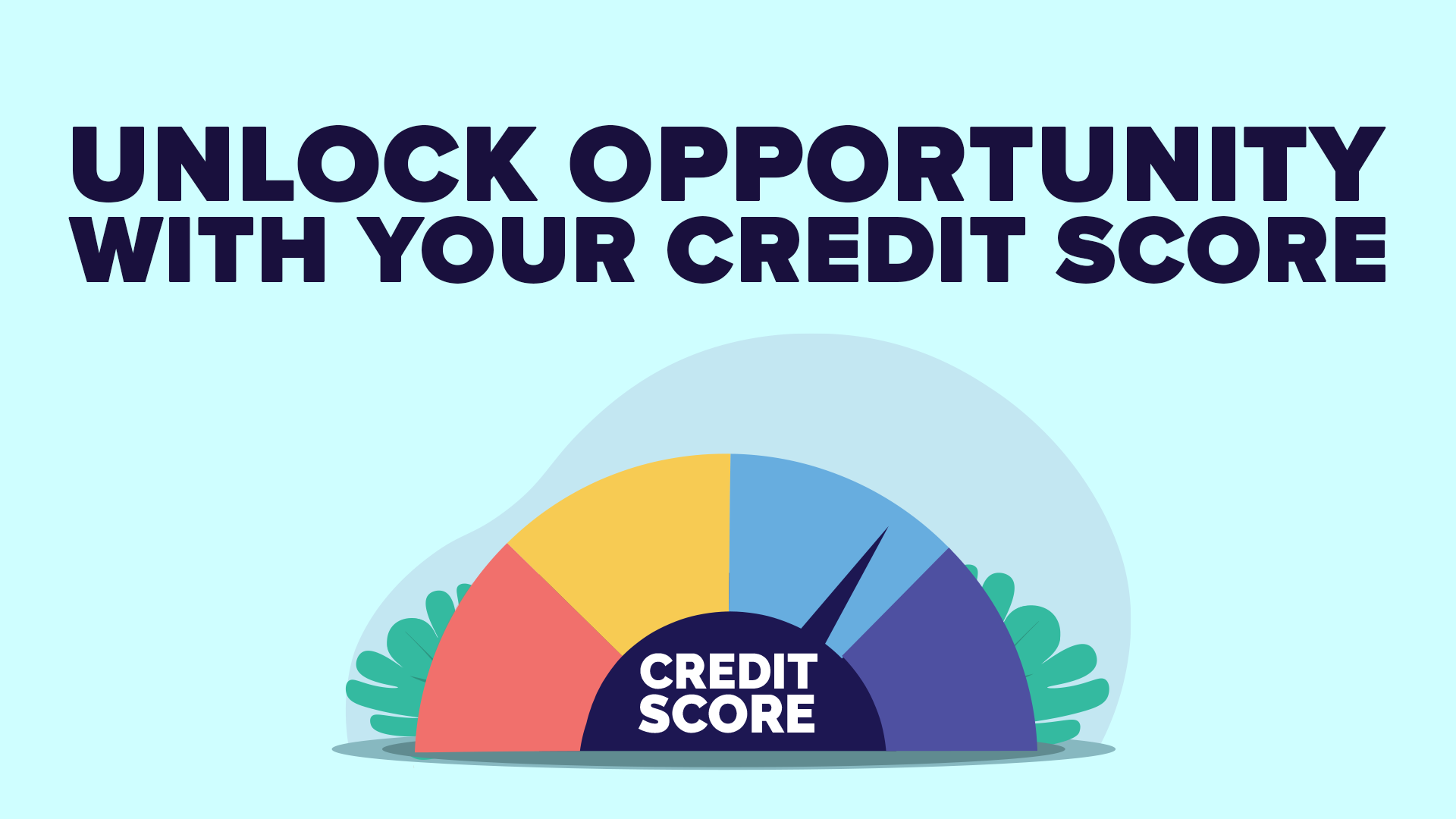
It’s National Credit Education Month, a perfect time to take control of one of your most powerful financial tools: your credit score. Whether you’re planning for a major purchase, working toward long-term goals, or simply aiming for greater financial flexibility, a healthy credit profile can unlock better rates and new opportunities.
Continue reading →financial wellness
The Real Cost of Getting Scammed

Falling for scams triggers a wave of frustration and stress, but it can also have lasting effects on your financial health. From phishing emails and fake phone calls to identity theft and fraudulent loans, scams are becoming more sophisticated and more common. A single incident can disrupt even the most thoughtful financial plan, which is why awareness and early action are so important.
Continue reading →Webinar Recap: Emergency Employee Financing: The Missing Link in Benefits Programs

A recent survey found that 73% of Americans are saving less for emergencies due to rising consumer prices, higher interest rates, and shifts in income or employment. Just 41% of Americans could cover an unexpected $1,000 emergency expense using their savings.
Continue reading →Case Study: How Huntington Ingalls Industries Is Helping to Safeguard Their Employees Financial Present and Future
Kashable Honored for Third Time by Goldman Sachs for Entrepreneurship
Einat Steklov and Rishi Kumar, Co-Founders and Co-CEOs, Recognized Among the Most Exceptional Entrepreneurs at the 2024 Builders and Innovators Summit

Goldman Sachs (NYSE:GS) has recognized Einat Steklov and Rishi Kumar, Co-Founders and Co-CEOs of Kashable, as two of the most exceptional entrepreneurs of 2024 at its Builders and Innovators Summit, held in Healdsburg, California.
Continue reading →The State of Consumer Finance Report

As featured in numerous trade and national media outlets, financial security levees are breaking for millions of Americans. Inflationary pressure, record household debt balances, unforeseen medical events, and more are causing 401(k) accounts to perform double duty as retirement accounts and sources of emergency savings.
Continue reading →Webinar Recap: Financial Equity Workshop: Strategies that Preserve Retirement, Prevent Debt Cycles, and Protect Employees

In an era where two-thirds of surveyed Americans report living paycheck to paycheck, families across America are facing greater financial pressure. Recent reports highlight that household debt reached $17.69 trillion in the first quarter of 2024, with housing now more unaffordable than it has been in nearly four decades.
Amidst these pressing conditions, one in four U.S. adults find themselves without emergency savings. Many are increasingly dependent on high-interest credit options. While this approach may provide temporary financial relief, it can pose a significant risk to long-term financial stability.
Continue reading →Webinar Recap: How Huntington Ingalls Industries Secures Their Employees Financial Present and Future
As the financial landscape tightens, more Americans are tapping into their 401(k) plans for emergency funds. Data collected on current Huntington Ingalls Industries (HII) employees shared by Rishi Kumar, Co-Founder and Co-CEO at Kashable, reveals that 19% of HII 401(k) plan participants are currently repaying loans from their 401(k) accounts. Additionally, this data reveals that 6.4% of active contributors are making withdrawals, with 2.5% attributed to financial hardships.
Continue reading →Webinar Recap: The State of Emergency Savings and Retirement Plans in 2024

As the cost of living continues to climb, Americans are finding it more difficult to meet their financial goals. A recent study revealed that over one-third of surveyed U.S. adults now have more credit card debt than emergency savings, with many citing inflation as a barrier to saving for unforeseen expenses.
This financial vulnerability underscores the need for effective saving strategies and robust financial planning. Amidst these economic changes, the webinar “The State of Emergency Savings and Retirement Plans in 2024” brings up some important things to consider.
Continue reading →The Vicious Cycle of Debt and Its Impact on Mental and Financial Health

Total household debt reached $16.9 trillion by the end of 2022, indicating that Americans are grappling with a significant debt problem.1 This figure encompasses increases in mortgage, auto, and student loan balances, as well as credit card debt.2 The combination of these debts, along with rising interest rates and the inflation-driven cost of living has left Americans feeling anxious and financially strained.3
Continue reading →Financial Planning: A Foundation for Stability in Uncertain Times

We are currently experiencing a period that has tested our economic system. Inflation, economic instability, and a lack of savings have caused an increasing number of Americans to feel financially stressed.1 Additionally, total household debt rose by $148 billion to $17.05 trillion in the first quarter of 2023.2
Continue reading →How To Become Financially Literate

Unforeseen events, such as the COVID-19 pandemic, can have an impact on an individual’s financial health. For instance, 58% of all Americans are now living paycheck to paycheck. Additionally, 57% of Americans can’t cover a $1,000 emergency with savings, leaving them dangerously close to a financial disaster.
Continue reading →Achieving Financial Literacy Through Financial Wellness

Financial wellness can be defined as “the dynamic relationship of one’s financial and economic resources as they are applied to or impact the state of physical, mental, and social well-being.”1
As workplaces evolve to meet the needs and demands of the economy, more employers are recognizing the value of a holistic approach to employee wellness. While initiatives focused on physical health have become more prevalent in benefits programs, there is increased recognition of the importance of implementing strategies to support employees’ overall health.
Continue reading →Support Diversity, Equity, and Inclusion With Financial Wellness Benefits

Last year, headlines about The Great Resignation were everywhere along with stories about “quiet quitting” and hiring difficulties. Whether it was burnout, insufficient pay, or desire for better benefits, there were many reasons employees were dissatisfied. Among these reasons, there was a major contributing factor related to how companies approach Diversity, Equity and Inclusion (DE&I).
Continue reading →National Credit Education Month: The Credit Gap and How to Close It

March is National Credit Education Month, which means there’s no better time to help support your employees by educating them on the importance of their credit score, the role it plays in financial wellness, and the tools available to improve it.
Continue reading →Five reasons why there are better alternatives than credit cards to deal with unexpected expenses

Charging an unexpected bill to a credit card when you’re short on funds may sound like an easy solution, but credit cards might not be the best choice for many people and can lead to more problems down the road.
Continue reading →How to Be Financially Prepared for Your Retirement

Having no regular income after retirement can be a scary thought. After working hard to achieve your dreams and ambitions, you should be able to enjoy your retirement away from the ‘hustle’ and from the thought of going bankrupt the moment you spend some money.
Continue reading →Preventing Quiet-Quitting and Strengthening Company Culture with Financial Wellness

As employers and employees face the changing market and economic realities, new challenges and opportunities for re-defining company culture and facilitating positive management and employee relationships present themselves.
Continue reading →A 100-Year Old Manufacturer Builds Cutting Edge Financial Wellness Benefits With Kashable
Renfro Brands, founded in 1921, has been a leading designer and manufacturer of quality socks and legwear products for over a century and has over 1500 domestic employees.
Continue reading →Beyond the Credit Score: A More Inclusive Way to Underwrite Loans

Inflation has been rising faster than employee income in 2022, putting American workers in a tough spot. The latest data shows that U.S. private sector wages increased by 5.7% in the first half of this year, which is a healthy jump but when adjusted for inflation, wages actually dropped by 3.1%[1].
Continue reading →How to Check Your Credit Score

In the era of shiny plastic cards that promise to buy you the world, it is easy to be lured into spending money. And before you know it, you are knee-deep in debt and struggling to stay afloat.
Continue reading →Financial Wellness Benefits: Your Edge in Attracting and Retaining Talent
Financial Wellness Benefits help you compete in a tight job market

It’s harder than ever to attract and retain talent in today’s tight job market. The post-pandemic recovery created nearly 21 million jobs in two years[1] and reduced U.S. unemployment to 3.6%, which was great news for workers but made things extremely competitive for recruiters and companies looking to hire.
Continue reading →Shrinking the financial gender gap: How your company can create inclusive financing opportunities for female employees

The Equal Credit Act of 1974 guaranteed equal treatment for women seeking financing, but many women still lack full access to traditional banking services like personal loans, credit cards, auto loans, and mortgages. Why?
Thinking outside the box: An interview with Kashable co-founder and CEO Einat Steklov
When Einat Steklov, co-founder and CEO of Kashable, came to the United States, she was well educated, gainfully employed, passionate about entrepreneurship and yet completely unable to gain access to financing. As an immigrant from Israel, she recalls, “I literally was not able to establish a credit profile with any credit bureau.”
Continue reading →Putting the brakes on retirement plan leakage:
How a Socially Responsible Credit® benefit helped Huntington Ingalls enhance employee retirement security
Huntington Ingalls is America’s largest military shipbuilding company and a leading provider of government technology, with a 135-year history of advancing U.S. national security.